Banned
- Joined
- Aug 12, 2025
- Messages
- 1,753
I can't believe basic human would be going to Alice. Crazy stuff...Make me flinch like an abuse kid in front of alcoholic father.
Damn I need to finish it this holiday
I can't believe basic human would be going to Alice. Crazy stuff...Make me flinch like an abuse kid in front of alcoholic father.
Damn I need to finish it this holiday

I have about 800+ tabs in my phone but allow me to say this plsthat might be my 100+tabs open
I have 4, what the hell!!!I have about 800+ tabs in my phone but allow me to say this pls

@Basic_human be like:I can't believe basic human would be going to Alice. Crazy stuff...

Good thing I organized and closed most of my tabs and now I'm close to 300-nyaI have about 800+ tabs in my phone but allow me to say this pls
This is the reason I feel dreadfully emptyI have 4, what the hell!!!
Here's some more nostalgia for the past:This Windows Chan design and things touch the nostalgia departments of my brain. Now I'm sad and longing for the past
If most of them are mangas why don't you add them to your reading list or book mark them-nya?This is the reason I feel dreadfully empty
I want to search for new manga but the weight of 890 tabs on the back of my phone gonna crush me.
Biblical level of greed

Damn you for showing this dreaded location again

...the shitpost thread's there, mate.Ingrown hair and hair splinters are two distinct but frequently confused dermatological issues involving the hair follicle, both capable of causing discomfort and localized inflammation. An ingrown hair (pseudofolliculitis barbae) occurs when a hair, often after shaving, plucking, or waxing, curls back and re-enters the skin, or when dead skin cells clog the hair follicle opening, forcing the hair to grow sideways beneath the skin's surface. This triggers a foreign body reaction, resulting in a raised, often tender bump, sometimes accompanied by redness, pustules, or hyperpigmentation. Conversely, a hair splinter (or embedded hair) is a physical breach of the skin by a segment of detached hair, acting much like a traditional wooden splinter. This typically happens when short, stiff, broken hairs—often from a haircut or shaving—land on the skin and are pushed into the epidermal layer by friction or pressure, causing sharp, localized pain and a small, dark line visible under the skin. While ingrown hairs are linked to growth patterns and hair removal techniques, hair splinters are purely mechanical intrusions. Both conditions are most common in areas with coarse, curly hair and where skin frequently rubs against clothing, such as the beard area, armpits, and legs. Given the sensitive nature and high friction experienced by the skin of the penis shaft and scrotum, both ingrown hairs and hair splinters are common occurrences in this area, sometimes leading to painful cysts or infections. Therefore, routine visual inspection and gentle exfoliation of these regions are crucial self-care steps for prevention and early detection.

What are you talking about? this place is easy asf. Heck, I was more shocked that you couldn't have an orgy in that location. 😔Damn you for showing this dreaded location again
Sir I am a righteous and law abiding man. I despise the forced option.What are you talking about? this place is easy asf. Heck, I was more shocked that you couldn't have an orgy in that location. 😔
As a apology I'll show you pictures of the bestDamn you for showing this dreaded location again

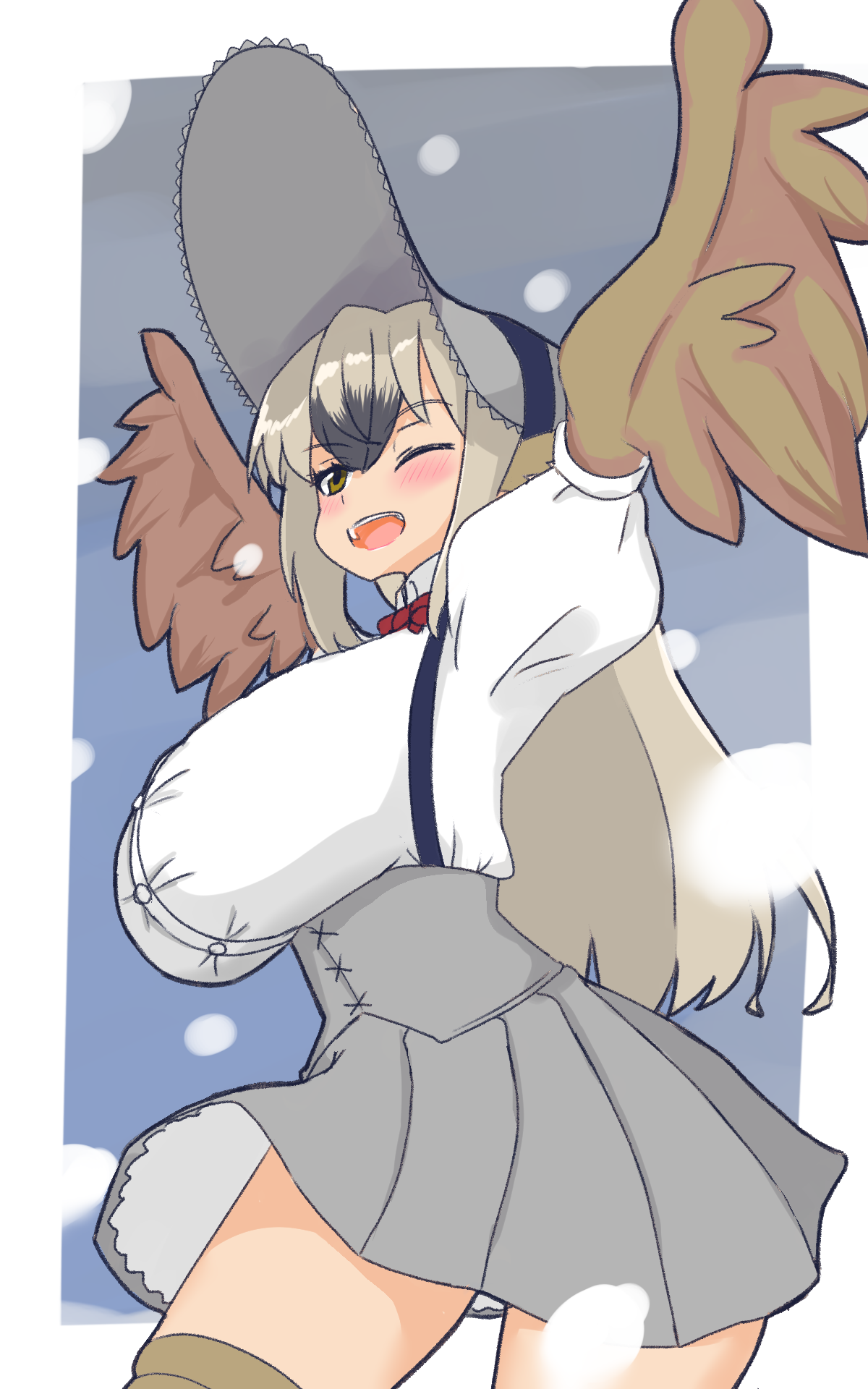
But like damn, there's a lot of Alices in the anime media..She does remind me of Star Sapphire. But a lot of these characters are parodies of Alice from Alice in Wonderland so it would make sense.
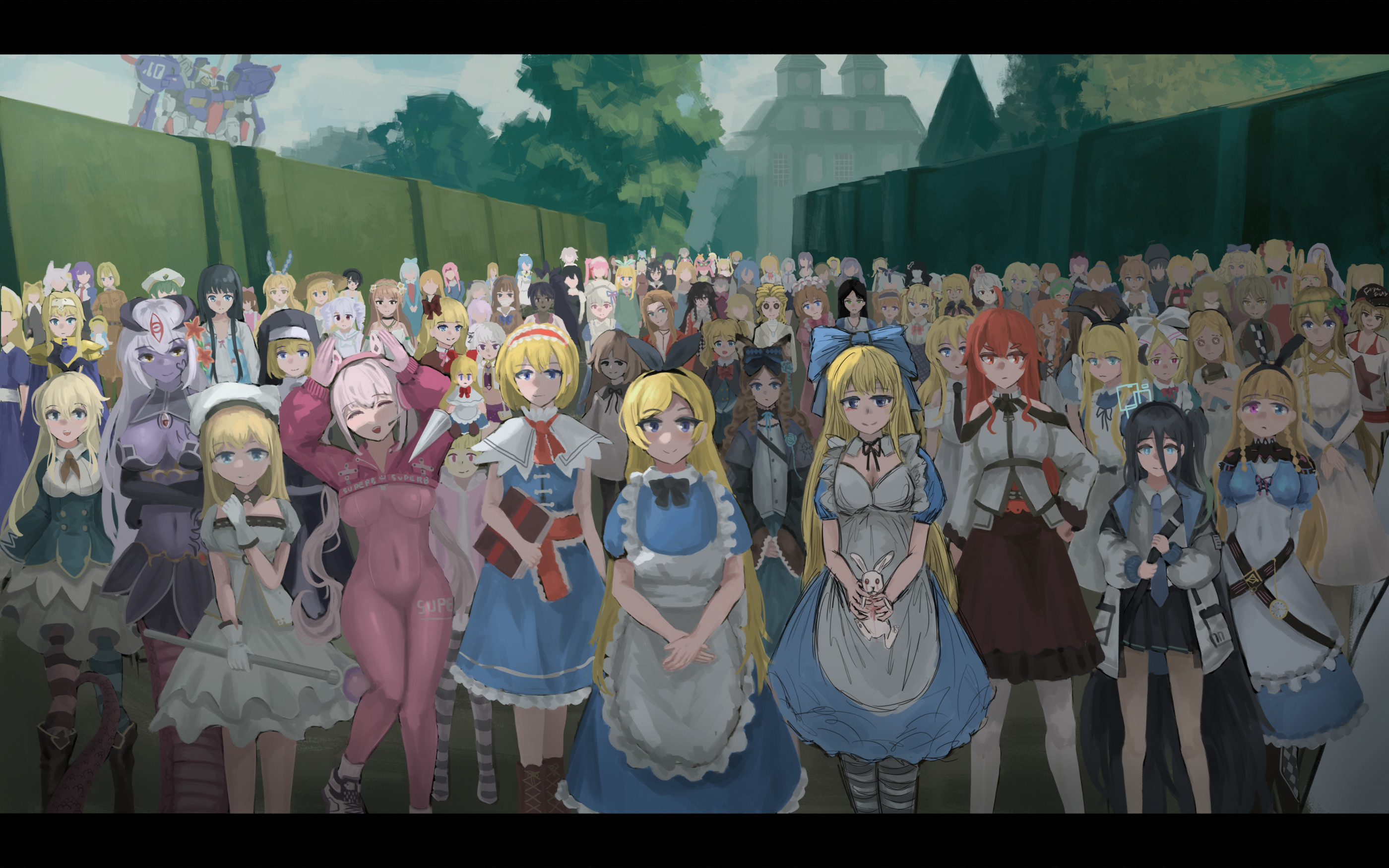
I see a lot of familiar faces.As a apology I'll show you pictures of the bestdumbasscharacter from Black Souls 2.
Sauce
Sauce (NSFW)
But like damn, there's a lot of Alices in the anime media..
Sauce (the quality is even better)

Japan loves to adapt/parodize Alice in Wonderland for some reason


