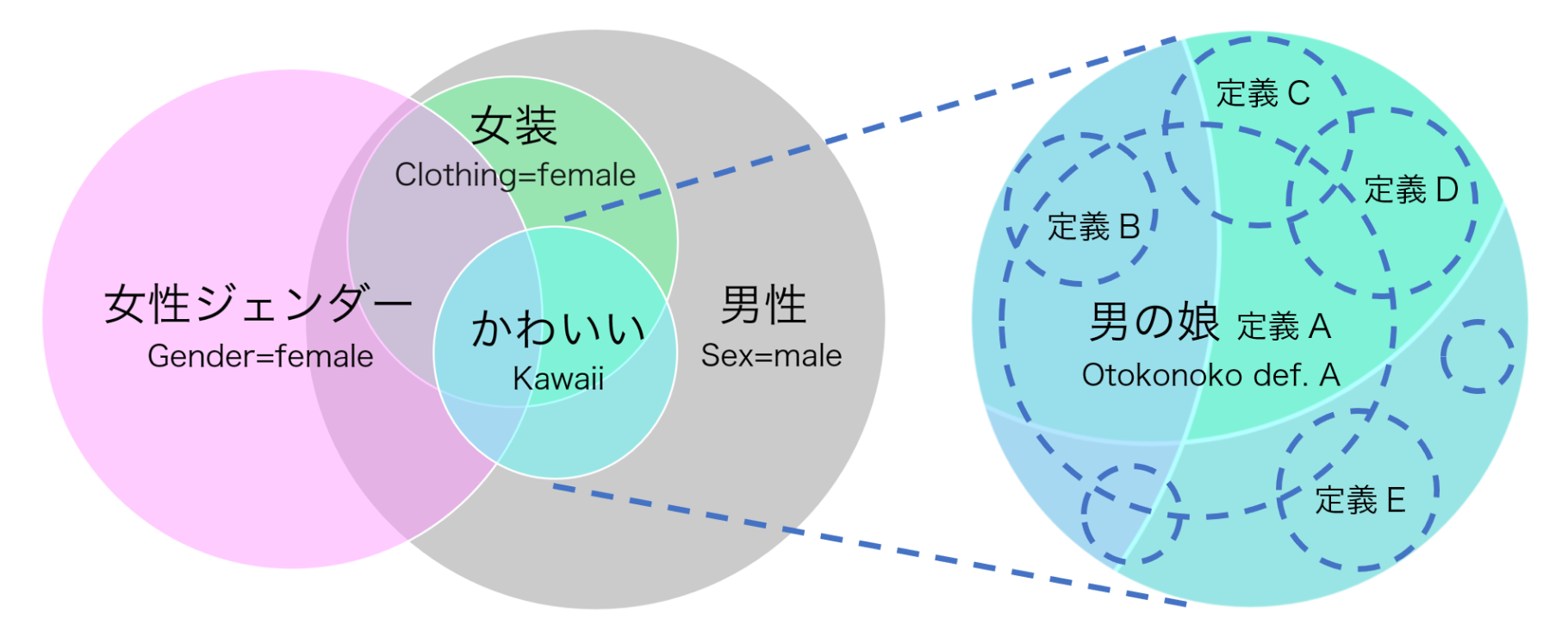
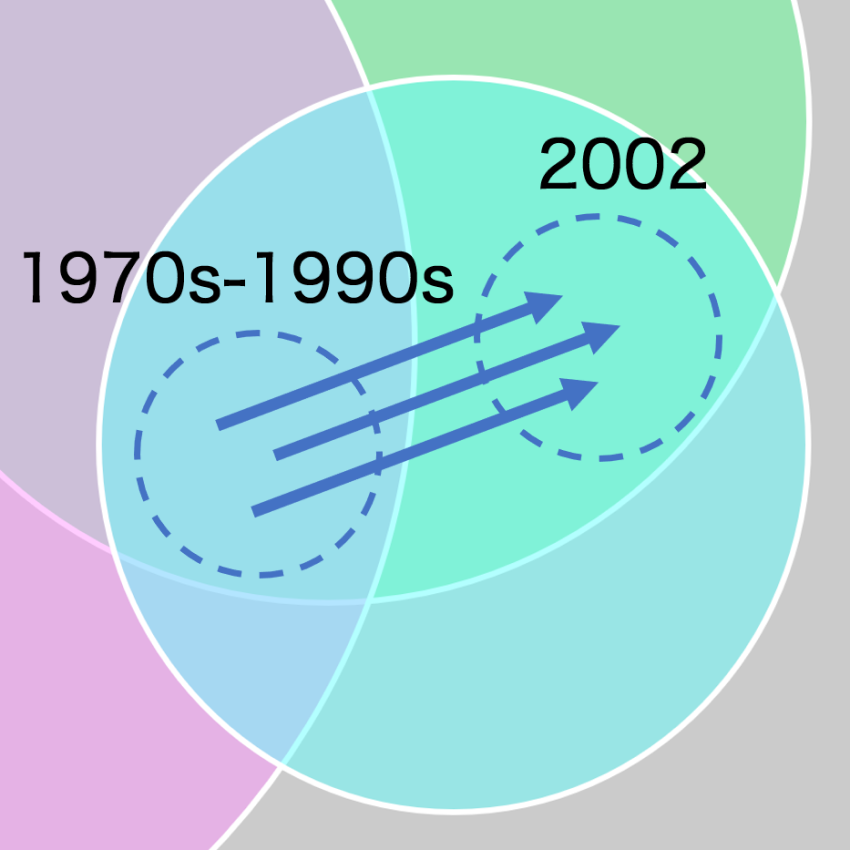
First: Kitano is trying to see if Girly could like a Boy, his issue isn't exclusively related to his biological body, but to his whole being, gender and sex. What Kitano wants to know is if Girly could come to see his male friend as a potential romantic partner.
Second: Transgender characters already existed in the world of manga during the time of Hibari, there's a trans character in Stop! Hibari-kun, and he mentions that he takes hormones and is undergoing gender reassignment surgery in the future. Eguchi wasn't ignorant or bound by any sort of restrictions. So much that Weekly Shonen Jump, the magazine in which Stop! Hibari-kun was released had a trans female characters in it's pages, Maria From Kochikame, and she's textually trans.
Hibari is a character who likes to wear cute clothes and for that he needs to identify as a girl publicly. Hibari never shows interest in being a girl, he only ever show interest in expressing as one, and his expression isn't even limited to looking like girls, Hibari cosplays a famous male rock singer of his time, who was known for his androgynous style.
Eguchi call Hibari a boy knowing that he's a boy, not because he's misguided or anything like that
Third: This is supposed to show that Girly sexuality isn't as strict and rigid as he thought. This scene is meant to show that sexuality is fluid, just like gender expression and norms.
Fourth: I don't agree. I believe that there could be drama and conflict in a trans story, but I don't believe it fits the narrative here.
If all the characters are girls, them there's no hook. Not only would this make the work too repetitive, it would take away from the charm of this being a subversion of the "guy in all girl's school" trope.
The focus of the story is Girly and the other boys slowly understanding that feminity is a social construct, that the differences in between them and girls comes from abstract social constructions that they can dismantle, in this way allowing them to properly see the female student as an individual equal to them.
The point is that the sex and gender of the only Girl won't matter by the end of the story, Girly and the boys will just want to meet and bond with her because they're a classmate.
Girly ending with Kitano as a boy reinforces this. Girly doesn't need to love a woman, he doesn't need to be straight, the world is vast and he doesn't need to be limited by the impositions of others. In the same way Kitano showed him that being a boy who likes to read isn't weird, he would be the one to show Girly that he doesn't need to have a girlfriend to be a boy or live a fulfilling life, Girly can find love in the same gender, because love isn't limited by social constructs.
I'm not using western frames
First: Kitano is trying to see if Girly could like a Boy
I mean... I guess we're just agreeing to disagree? You haven't actually introduced anything new to the argument, just asserting that you're right. I fundamentally disagree with you regarding how that conversation is intended to be interpreted.
Second: Transgender characters already existed in the world of manga during the time of Hibari
Yes, that's true. Claude from "Claudine...!" in 1978 and - arguably - Sapphire from "Princess Knight" in 1953 if you really wanna make the argument, just to name a few.
...there's a character in Stop!! Hibari-kun and he mentions(...)
Assuming you're referring to Taiga, his reference to being on hormones was added in 2009/2010 when the Complete Edition came out. The character obviously still existed and I'm not arguing he should retroactively be seen as not trans
at the time, but the specific reference was not contemporaneous.
Weekly Shonen Jump (...) had a trans female characters in it's pages, Maria From Kochikame
I do not read KochiKame, but as far as I can tell, Maria was not introduced in the manga until volume 67 (published in 1990), was not introduced in the anime until S1E39 (aired 1997), and did not transition - via MAGIC, not hormones - until volume 111 (published in 1998).
Hibari is a character who likes to wear cute clothes and for that he needs to identify as a girl publicly
Fundamentally, your argument is internally inconsistent: You cannot simultaneously argue that Hibari is obligated to identify as a girl publicly in order to present in a feminine manner publicly while also arguing that Kitano is necessarily still a boy while doing the same thing. Those positions are contradictory.
Hibari never shows interest in being a girl
This is just prima facie untrue. She quite explicitly expresses a desire to have breasts in Chapter 6, to give one example, which I already mentioned in a previous response. Her desire to protect being enrolled at school
as a girl also supports this position, to say nothing of the rest of the manga. I have no desire to go chapter-by-chapter, though.
Eguchi wasn't ignorant or bound by any sort of restrictions
I'm sorry, but this is just a short-sighted argument at best. Eguchi was absolutely impacted by the cultural context of the time. You're implicitly making the claim that because Hibari doesn't mention being on hormones and another character does, that's a mark against her being trans. But it's hard enough for a 15/16 year old to get on hormones TODAY even in countries with an informed consent model like the USA, so why on Earth would we treat 1981~1983 Japan the same way? The argument just doesn't make sense. I did some - admittedly brief - research and it doesn't even look like gender-affirming surgeries were broadly legalized in Japan until 1997, more than 15 years after the manga ended! This line of reasoning just isn't compelling for your case.
I believe that there could be drama and conflict in a trans story, but I don't believe it fits the narrative here. If all the characters are girls, them there's no hook. Not only would this make the work too repetitive, it would take away from the charm of this being a subversion of the "guy in all girl's school" trope.
Again, I think we're going to just have to agree to disagree here. If you can't see how there's a story to be told about Girly blinding himself to a potential romance with Kitano (or anyone else!) because of the assumptions he's making about what his potential romantic partner needs to be like, then I'm not sure what else there is to say. Each of the other members of the class can easily provide a different perspective on femininity, gender, and romance to Girly; I have little doubt that they all have different reasons for presenting the way that they do, and it would be trivial to make each of their backstories or individual-focused arcs unique.
You come so close to acknowledging the point and then just completely veer off course right when the finish line is in sight. Girly having a warped view of what romance is supposed to look like due to the (admittedly well-meaning) influence of his father inadvertently makes his romantic life harder by leading him to make massive assumptions, and meeting people from all sorts of backgrounds will help break down those assumptions. That's the way life work and is a good lesson to convey to virtually any audience. The Only (Cis) Girl In The Class can just be a red herring - assuming that he simply must date her precisely because she's (theoretically) the only cis girl is short-sighted and foolish.
You're right in saying "love ISN'T bound by social constructs" but that needs to also include the construct of "what a woman is supposed to look like".