You are using an out of date browser. It may not display this or other websites correctly.
You should upgrade or use an alternative browser.
You should upgrade or use an alternative browser.
SUNNY 16 - Vol. 3 Ch. 12 - Always Deciding Everything By Yourself
- Thread starter MangaDex
- Start date


Double-page supporter
- Joined
- May 18, 2025
- Messages
- 28
Thanks so much for the translation! We got volume 1 and 2 on display at our photo lab we love it so much <3
Page 14:
Most likely a Nikkor Z 24-120 F4 S lens, though usually in the US it’s packaged with the Nikkor 24-70mm F4 S. Nikon typically does a lot of Japan only deals, so it wouldn’t be a total surprise.
Page 15:
The shape of the Sony telephoto lens makes it look like it’s a 400-800mm G, but the price listed is way too high, it costs about $2700 USD. My best guess is they drew the 400-800mm G, but had the price of the 300mm F2.8 GM OSS stuck in their head which is closer to $6,7000. Another possibility is that the shop isn’t an authorized dealer for Sony, and therefore doesn’t have to honor a Minimum Advertised Price.
The pancake lenses in the middle frame seem like they’re intended for APS-C (cropped frame) cameras, and considering the price, are most likely from Rokinon, 7Artisns, or Meike.
Page 20:
The shape of those cameras are too generic to really signify one manufacturer over another. In order from left to right Generic DSLR; Generic Rangefinder (based on the light sensor being pronounced it’s more likely to be a film rangefinder) and Generic SLR. Their body caps are soooo beefy tho.
Middle frame has TLR cameras! You hold at waist level to look through the top lens, the lower lens actually takes the picture. More often than these are 120 format film, but also allowed for 220 format as well. There are several oddities, but the ones that have really carried their value through the years have Zeiss lenses in them.
Finally, the junk bin. Never buy anything from there. Sales managers are just trying to make a quick buck. Anything of actual worth will always be behind a case, and any lens find in those bins will most definitely have fungus inside of them.
Page 23:
Looks like an Asahi (PENTAX) Takumar 55mm F1.8 adapted for Canon EF mount. A pretty solid choice on a budget, considering a Canon EF 50mm F1.8 still goes $170 USD.
Man on oh man, the 5D MkII. What a camera. Really revolutionary in what a DSLR could do. I used 5D’s thru my entire time in college cause Canon color science is entirely tough to beat (especially when it comes to skin tones).
Last point of interest, Page 25: Not all DSLR systems are made equal. I love Canon, but Nikon DSLR cameras know if something isn’t in focus by showing a green light in your viewfinder once it’s finally in focus (or green dot on the LCD). Furthermore, they can tell you which way to twist the lens if the lens has electronic communication built in. As you can imagine it’s extremely helpful for manual focus lenses.
Edit: (Never has the desire to yell “Don’t do it!” been stronger than when the Z7 II appeared in the frame.)
Page 14:
Most likely a Nikkor Z 24-120 F4 S lens, though usually in the US it’s packaged with the Nikkor 24-70mm F4 S. Nikon typically does a lot of Japan only deals, so it wouldn’t be a total surprise.
Page 15:
The shape of the Sony telephoto lens makes it look like it’s a 400-800mm G, but the price listed is way too high, it costs about $2700 USD. My best guess is they drew the 400-800mm G, but had the price of the 300mm F2.8 GM OSS stuck in their head which is closer to $6,7000. Another possibility is that the shop isn’t an authorized dealer for Sony, and therefore doesn’t have to honor a Minimum Advertised Price.
The pancake lenses in the middle frame seem like they’re intended for APS-C (cropped frame) cameras, and considering the price, are most likely from Rokinon, 7Artisns, or Meike.
Page 20:
The shape of those cameras are too generic to really signify one manufacturer over another. In order from left to right Generic DSLR; Generic Rangefinder (based on the light sensor being pronounced it’s more likely to be a film rangefinder) and Generic SLR. Their body caps are soooo beefy tho.
Middle frame has TLR cameras! You hold at waist level to look through the top lens, the lower lens actually takes the picture. More often than these are 120 format film, but also allowed for 220 format as well. There are several oddities, but the ones that have really carried their value through the years have Zeiss lenses in them.
Finally, the junk bin. Never buy anything from there. Sales managers are just trying to make a quick buck. Anything of actual worth will always be behind a case, and any lens find in those bins will most definitely have fungus inside of them.
Page 23:
Looks like an Asahi (PENTAX) Takumar 55mm F1.8 adapted for Canon EF mount. A pretty solid choice on a budget, considering a Canon EF 50mm F1.8 still goes $170 USD.
Man on oh man, the 5D MkII. What a camera. Really revolutionary in what a DSLR could do. I used 5D’s thru my entire time in college cause Canon color science is entirely tough to beat (especially when it comes to skin tones).
Last point of interest, Page 25: Not all DSLR systems are made equal. I love Canon, but Nikon DSLR cameras know if something isn’t in focus by showing a green light in your viewfinder once it’s finally in focus (or green dot on the LCD). Furthermore, they can tell you which way to twist the lens if the lens has electronic communication built in. As you can imagine it’s extremely helpful for manual focus lenses.
Edit: (Never has the desire to yell “Don’t do it!” been stronger than when the Z7 II appeared in the frame.)
Last edited:
Fed-Kun's army
- Joined
- May 28, 2026
- Messages
- 21
oh we are so back I kinda forgot about this manga
Member
- Joined
- Aug 2, 2025
- Messages
- 10
I was wondering where this one had gone, thanks for the TL.


Dex-chan lover
- Joined
- Jan 30, 2018
- Messages
- 8,598
Oh thank you! I really missed this one and how the author doesn't shy away from showing the most raw expressions, like even the awkward face when trying to focus the camera.
Hahaha youth is about balancing the cringe with the romance and just go with it
Hahaha youth is about balancing the cringe with the romance and just go with it

Time for me a nerd out a bit.Thanks so much for the translation! We got volume 1 and 2 on display at our photo lab we love it so much <3
Page 14:
Most likely a Nikkor Z 24-120 F4 S lens, though usually in the US it’s packaged with the Nikkor 24-70mm F4 S. Nikon typically does a lot of Japan only deals, so it wouldn’t be a total surprise.
Page 15:
The shape of the Sony telephoto lens makes it look like it’s a 400-800mm G, but the price listed is way too high, it costs about $2700 USD. My best guess is they drew the 400-800mm G, but had the price of the 300mm F2.8 GM OSS stuck in their head which is closer to $6,7000. Another possibility is that the shop isn’t an authorized dealer for Sony, and therefore doesn’t have to honor a Minimum Advertised Price.
The pancake lenses in the middle frame seem like they’re intended for APS-C (cropped frame) cameras, and considering the price, are most likely from Rokinon, 7Artisns, or Meike.
Page 20:
The shape of those cameras are too generic to really signify one manufacturer over another. In order from left to right Generic DSLR; Generic Rangefinder (based on the light sensor being pronounced it’s more likely to be a film rangefinder) and Generic SLR. Their body caps are soooo beefy tho.
Middle frame has TLR cameras! You hold at waist level to look through the top lens, the lower lens actually takes the picture. More often than these are 120 format film, but also allowed for 220 format as well. There are several oddities, but the ones that have really carried their value through the years have Zeiss lenses in them.
Finally, the junk bin. Never buy anything from there. Sales managers are just trying to make a quick buck. Anything of actual worth will always be behind a case, and any lens find in those bins will most definitely have fungus inside of them.
Page 23:
Looks like an Asahi (PENTAX) Takumar 55mm F1.8 adapted for Canon EF mount. A pretty solid choice on a budget, considering a Canon EF 50mm F1.8 still goes $170 USD.
Man on oh man, the 5D MkII. What a camera. Really revolutionary in what a DSLR could do. I used 5D’s thru my entire time in college cause Canon color science is entirely tough to beat (especially when it comes to skin tones).
Last point of interest, Page 25: Not all DSLR systems are made equal. I love Canon, but Nikon DSLR cameras know if something isn’t in focus by showing a green light in your viewfinder once it’s finally in focus (or green dot on the LCD). Furthermore, they can tell you which way to twist the lens if the lens has electronic communication built in. As you can imagine it’s extremely helpful for manual focus lenses.
Edit: (Never has the desire to yell “Don’t do it!” been stronger than when the Z7 II appeared in the frame.)
The page 14 remark is pretty funny since the Z6 and Z7 famously look identical despite the tier difference
The 24-120S is a pretty common kit actually as like the upgraded kit from the 24-70S

On page 15, it's probably a 200-600 rather than the 400-800 considering the 400-800 doesn't have a knob the tripod foot (this makes the price even more outrageous and almost certainly taken from a 300GM).
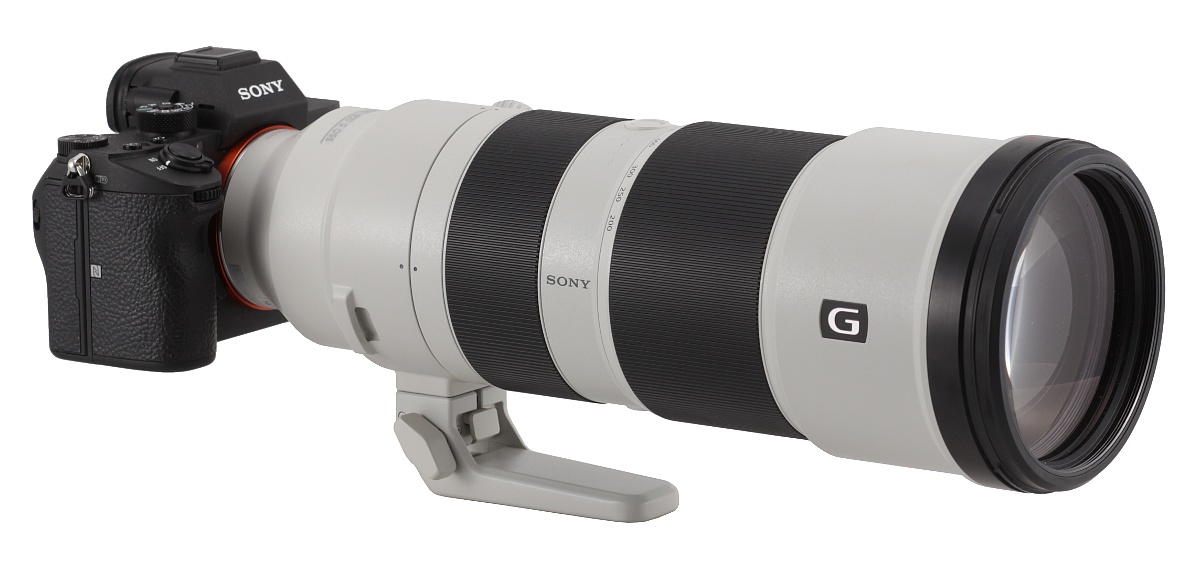
Also one of the lenses on the bottom is almost definitely a 28-60 kit lens by the shape

The one to its right is probably a Viltrox 28mm f4.5 since it's white and cheap and pancake

The ones to the left are reminiscent of Tamron f2.8 primes or the Sony 28mm f2 but its front element is too huge to be any of those
Page 20 the rangefinder looks to be a Nikon S3

Last edited:


Group Leader
- Joined
- May 6, 2025
- Messages
- 47
Yeah unfortunately English doesn't have many onomatopoeia words compared to Japanese.The "skritch" made me think for a sec that her mum was tearing her photos
Ty for the tl
Also looking at that panel now I'm pretty sure I forgot to touch up my placeholder lettering in that panel. I think I just wrote what's there now to test how "skritch/skrit" looked. Oh well, I'll fix it later™, it looks... fine enough, I guess.
Similar threads

- 0
- Replies
- 3K
- Views

- 0
- Replies
- 1
- Views

- 3
- Replies
- 188
- Views

- 37
- Replies
- 926
- Views


Users who are viewing this thread
Total: 2 (members: 0, guests: 2)