You are using an out of date browser. It may not display this or other websites correctly.
You should upgrade or use an alternative browser.
You should upgrade or use an alternative browser.
Yani Neko - Vol. 11 Ch. 323 - Resident Selection Strategy
- Thread starter MangaDex
- Start date


Supporter
- Joined
- Sep 3, 2026
- Messages
- 161
I have a suspicion that Meby is actually Yani playing Nyanimal crossing 😛
Poor Imoko at least she got to bound with her mother by bullying Meby
Thanks for the Chapter!
Poor Imoko at least she got to bound with her mother by bullying Meby
Thanks for the Chapter!

- Joined
- Apr 26, 2020
- Messages
- 11,751
...Imoko pulls an all-nigher and gets gamer rage. Not a plot I would have expected.
Thanks for the chapter!
Not a plot I would have expected.Thanks for the chapter!

Dex-chan lover
- Joined
- Sep 14, 2026
- Messages
- 57
My take is that she needs people to be absolutely pathetic without her help. Meby was too put together and happy, so Imoko was rude to her until Meby was on her hands and knees breaking down due to Imoko not wanting to be her friend, which gave Imoko the warm and fuzzies.Why did she get turned on in page 4? Is it that she likes bullying her sister? I thought it was her sister, or people in general, needing her that turns her on.

Dex-chan lover
- Joined
- Apr 8, 2018
- Messages
- 499
Imoko needs to work through some trauma, huh...
Supporter
- Joined
- Sep 3, 2026
- Messages
- 161
Why did she get turned on in page 4? Is it that she likes bullying her sister? I thought it was her sister, or people in general, needing her that turns her on.
secret Dommy Mommy fetish 🤷♂️ (stupid joke I know)
Last edited:
Dex-chan lover
- Joined
- Sep 14, 2026
- Messages
- 57
Imoko is the trauma.Imoko needs to work through some trauma, huh...
Supporter
- Joined
- Sep 3, 2026
- Messages
- 161
And she can't stand it if people actually improve or are happy without her and no longer need her help so she starts to manipulates others to make them miserable again and make sure they come crawling back to her. in short White Knight Syndrome.My take is that she needs people to be absolutely pathetic without her help. Meby was too put together and happy, so Imoko was rude to her until Meby was on her hands and knees breaking down due to Imoko not wanting to be her friend, which gave Imoko the warm and fuzzies.
For people who want to know what White Knight Syndrome is. Its a behavioral pattern characterized by a compulsive need to rescue, fix, or save others, typically in intimate relationships, often at the expense of one’s own well-being. While not a clinically recognized mental health diagnosis, it is closely linked to codependency and low self-esteem, driven by a deep-seated belief that one’s worth is contingent upon being indispensable to others.
The syndrome typically stems from unresolved childhood trauma, abandonment issues, or a history of caring for emotionally or physically suffering caregivers. Key signs include offering unsolicited advice, feeling intense guilt when unable to help, gravitating toward vulnerable or "damaged" partners, and prioritizing the partner’s needs over one’s own to avoid abandonment or maintain control.
Manifestations often lead to emotional exhaustion, resentment, and unbalanced relationships where the "rescuer" enables dependency rather than fostering genuine intimacy. Experts identify several subtypes, such as the overly empathetic white knight (driven by excessive worry) and the terrorizing/terrified white knight (who uses manipulation to control partners), all sharing a core motivation to seek validation and love through heroic acts.
Its actually rather "easy" to get someone out of this and it is shown a bit in the manga by her 2 human friends.
Anyway that is my two cents.
Last edited:

Member
- Joined
- Oct 9, 2026
- Messages
- 6
In addition, Imoko is a rather controlling person in general; he only has to see what she does with her mother to prevent her from smoking.And she can't stand it if people actually improve or are happy without her and no longer need her help so she starts to manipulates others to make them miserable again and make sure they come crawling back to her. in short White Knight Syndrome.
For people who want to know what White Knight Syndrome is. Its a behavioral pattern characterized by a compulsive need to rescue, fix, or save others, typically in intimate relationships, often at the expense of one’s own well-being. While not a clinically recognized mental health diagnosis, it is closely linked to codependency and low self-esteem, driven by a deep-seated belief that one’s worth is contingent upon being indispensable to others.
The syndrome typically stems from unresolved childhood trauma, abandonment issues, or a history of caring for emotionally or physically suffering caregivers. Key signs include offering unsolicited advice, feeling intense guilt when unable to help, gravitating toward vulnerable or "damaged" partners, and prioritizing the partner’s needs over one’s own to avoid abandonment or maintain control.
Manifestations often lead to emotional exhaustion, resentment, and unbalanced relationships where the "rescuer" enables dependency rather than fostering genuine intimacy. Experts identify several subtypes, such as the overly empathetic white knight (driven by excessive worry) and the terrorizing/terrified white knight (who uses manipulation to control partners), all sharing a core motivation to seek validation and love through heroic acts.
Its actually rather "easy" to get someone out of this and it is shown a bit in the manga by her 2 human friends.
Anyway that is my two cents.
I completely agree with your analysis. It's true that she hasn't yet reached the point of deliberately sabotaging people, but it could get worse in the future.

Dex-chan lover
- Joined
- Aug 23, 2023
- Messages
- 215
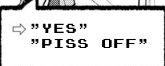
That gaming rage of Imoko LOL
She's been got by AC Yani
She's been got by AC Yani


Dex-chan lover
- Joined
- Mar 5, 2020
- Messages
- 643
Animal Crossing if Nintendo wasn't full of cowards.
This theory covers both the need for people to need her, and the bullying she did. Pretty good take. Thanks.My take is that she needs people to be absolutely pathetic without her help. Meby was too put together and happy, so Imoko was rude to her until Meby was on her hands and knees breaking down due to Imoko not wanting to be her friend, which gave Imoko the warm and fuzzies.

Dex-chan lover
- Joined
- Mar 24, 2023
- Messages
- 1,924
theres a real disorder called munchausen syndrome by proxy. Sort of describes the sisterWhy did she get turned on in page 4? Is it that she likes bullying her sister? I thought it was her sister, or people in general, needing her that turns her on.
Dex-chan lover
- Joined
- Sep 14, 2026
- Messages
- 57
She unintentionally sabotaged Aru when they first met. It was finally sinking in that her alcoholism is destroying her life and future when she ran into Imoko who gave her a peptalk that gave her the confidence to keep drinking.It's true that she hasn't yet reached the point of deliberately sabotaging people
Not sure that fits. Munchies like the attention they get from others for their condition or the condition of a love one. Imoko isn't really after the attention, sympathy or approval of others, she likes "fixing" people for personal satisfaction and the power she has over other's lives.theres a real disorder called munchausen syndrome by proxy. Sort of describes the sister
Member
- Joined
- Oct 9, 2026
- Messages
- 6
Good point, but, well, that's kind of his psychological pattern.She unintentionally sabotaged Aru when they first met. It was finally sinking in that her alcoholism is destroying her life and future when she ran into Imoko who gave her a peptalk that gave her the confidence to keep drinking.
Not sure that fits. Munchies like the attention they get from others for their condition or the condition of a love one. Imoko isn't really after the attention, sympathy or approval of others, she likes "fixing" people for personal satisfaction and the power she has over other's lives.
I'm also taking into account the deliberate nature of her attitude; however, it could take a turn for the worse and she could become more controlling, which would be dangerous behavior, especially given the number of vulnerable people in the Otani residence. She really needs to see a therapist.
Supporter
- Joined
- Sep 3, 2026
- Messages
- 161
Good point, but, well, that's kind of his psychological pattern.
I'm also taking into account the deliberate nature of her attitude; however, it could take a turn for the worse and she could become more controlling, which would be dangerous behavior, especially given the number of vulnerable people in the Otani residence. She really needs to see a therapist.
White Knight Syndrome can evolve into more severe mental health and relationship issues.
What starts as a compulsive need to "save" or fix a partner or spouse often deteriorates into deep emotional burnout, toxic codependency, and chronic resentment for both people.
How It Evolves Into Worse Conditions:
Severe Burnout and Exhaustion: Constantly managing someone else's emotional, physical, or financial crises drains the rescuer's energy, leading to chronic stress, physical fatigue, and mental exhaustion.
Codependency and Loss of Self: As the rescuer focuses entirely on the other person's needs to gain a sense of self-worth, they lose touch with their own identity, boundaries, and personal goals.
Deep Resentment and Bitter Rejection: When the "project" heals, grows independent, or pulls away, the white knight often feels rejected, unappreciated, or betrayed—turning initial affection into anger or bitterness.
Controlling or Manipulative Behavior: To keep the partner or spouse dependent and ensure the relationship does not end, the rescuer may slide into subtle or overt control tactics under the guise of "helping".
Isolation and Depression: Repeatedly failing to "fix" partners/spouse or experiencing painful breakups can trigger profound loneliness, a damaged self-image, anxiety, and depressive cycles.
Fixing White Knight Syndrome requires a person to shift their focus from saving others to healing themselves. Because these habits are deeply ingrained, recovery happens through deliberate changes in behavior, mindset, and boundaries.
Shifting from Rescuing to Supporting
The core fix involves learning to stop treating adult partners or spouse like projects. A person can still be a caring partner/spouse without taking on a savior role.
- They must pause before stepping in when a partner/spouse faces a problem, intentionally waiting before offering advice or financial help.
- They need to practice active listening to understand their partner's/spouse frustration, rather than trying to fix the scenario.
- They should change their language to encourage independence, using phrases like, "I am here with you, but I cannot do this for you," or "How can I support you without taking over?"
People with this syndrome frequently sacrifice their own physical, emotional, or financial health to keep someone else afloat.
- They need to clearly define their limits by separating what they can compromise on from their absolute lines that must not be crossed.
- They must practice saying no to requests that drain their energy or finances, using simple scripts like, "I don't have the capacity to help with that right now."
Compulsive helping is often an addiction to external validation or a distraction from a person's own struggles.
- They need to sit with the anxiety and guilt that naturally surface when they stop managing someone else's life.
- They must prioritize their own self-care by focusing energy on their personal goals, hobbies, and wellness routines.
- They should regularly evaluate their relationship dynamics to ensure the partnership remains mutually balanced.
This pattern almost always tracks back to childhood experiences, such as growing up with neglectful or dysfunctional caregivers where a person learned they had to be useful to earn love.
- They can benefit from professional counseling with a licensed therapist who specializes in codependency or family trauma.
- They can join peer support groups, such as Co-Dependents Anonymous, to help break the cycle of self-abandonment alongside others navigating the same struggles.
it typically leads to a destructive cycle of severe emotional burnout, chronic relationship failures, and deep-seated resentment. Because this is a behavioral pattern rather than a medical medical diagnosis, change usually involves self-reflection or therapy to address underlying insecurities.
Left unchecked, the long-term consequences manifest across several areas of a person's life.
Chronic Relationship Failure
Relationships built on a savior dynamic are inherently unstable and tend to collapse in predictable ways. The rescuer eventually grows frustrated because their heavy emotional or financial caretaking is rarely reciprocated. Meanwhile, the partner/spouse feels suffocated, micromanaged, or treated as broken rather than as an equal, which sparks mutual bitterness.
If the partner/spouse successfully stabilizes or heals, the power dynamic shifts. The partner/spouse often outgrows the dependency, resulting in them leaving the relationship. This leaves the white knight feeling discarded and rejected. Over time, untreated individuals compulsively seek out partners/spouse/"projects" with severe, unaddressed issues, trapping themselves in volatile environments.
Mental and Emotional Exhaustion
Because white knights tie their self-worth entirely to their ability to fix others, their mental health deteriorates over time. Constantly prioritizing someone else’s crises while neglecting personal boundaries causes profound emotional exhaustion and burnout.
Individuals experience intense, ongoing anxiety regarding their partner's or spouses well-being. They carry a false sense of acute guilt if they cannot save them. Eventually, the individual completely loses their sense of self, unable to identify who they are outside of being a caregiver or a fixer.
Subconscious Control and Manipulation
While born out of high empathy, an unaddressed savior complex can sour into toxic behavior. To maintain their sense of purpose, a white knight may subconsciously try to keep their partner dependent on them. They may use unsolicited help to exert control, dismiss their partner's independent successes, or mask criticism as just trying to help, which drives further emotional distance.
Perpetuation of Unresolved Childhood Trauma
White knight behavior is almost always a coping mechanism for unresolved childhood adversity, such as neglect or having to care for an unstable parent. Leaving this pattern untreated ensures that the root trauma remains buried, driving the individual to repeat the same exhausting behavior in every new relationship.
So yes she needs help if there is no partner or spouse to help a therapist is needed.
And to be correct the entire family needs to talk to each other about there issue's so she can understand why they do what they do and understand it is not up to her to "fix" them. They have to manage there own problems. That is also what her friends tell her. not to worry about her family on the Tokyo trip and so on.
If a "partner" like Shu for example wanted to help her he would have to "save" Imoko from her own obsession with fixing other people.
Because her older sister and mother ar a chaotic mess, Imoko has become completely addicted to the emotional validation of being a caretaker. If Shu wants to genuinely rescue her from this toxic cycle, he would have to do it through the following strategic steps:
- Take over the messy work: Imoko fiercely guards her role as the family's sole savior. To rescue her, Shu would have to jump directly into the chaos and handle the problems before she can. By refusing to let her burn herself out playing the martyr, he would break the codependent loop she uses to feed her own self-worth.
- Love her hidden, imperfect side: Imoko acts like a flawless, orderly student because she is deeply ashamed of her beastfolk instincts and her childish love for magical girl anime. Shu would need to look past her polite mask, uncover the parts of her she tries to hide, and show her that she is loved for who she is—not just for how well she manages crises.
- Stand firm against her control: Imoko secretly panics when people become self-sufficient because it strips away her sense of purpose. Shu would have to resist her micro-management, call out her codependency, and refuse to let her treat him like a project, forcing her to just be a normal teenager.
in short caretaking is Imoko's "addiction"
Anyway I am done wrighting essays for now
Last edited:
Member
- Joined
- Oct 9, 2026
- Messages
- 6
I have no objection to that, although I don't think a romantic relationship is a good way to fix someone.White Knight Syndrome can evolve into more severe mental health and relationship issues.
What starts as a compulsive need to "save" or fix a partner or spouse often deteriorates into deep emotional burnout, toxic codependency, and chronic resentment for both people.
How It Evolves Into Worse Conditions:
Severe Burnout and Exhaustion: Constantly managing someone else's emotional, physical, or financial crises drains the rescuer's energy, leading to chronic stress, physical fatigue, and mental exhaustion.
Codependency and Loss of Self: As the rescuer focuses entirely on the other person's needs to gain a sense of self-worth, they lose touch with their own identity, boundaries, and personal goals.
Deep Resentment and Bitter Rejection: When the "project" heals, grows independent, or pulls away, the white knight often feels rejected, unappreciated, or betrayed—turning initial affection into anger or bitterness.
Controlling or Manipulative Behavior: To keep the partner or spouse dependent and ensure the relationship does not end, the rescuer may slide into subtle or overt control tactics under the guise of "helping".
Isolation and Depression: Repeatedly failing to "fix" partners/spouse or experiencing painful breakups can trigger profound loneliness, a damaged self-image, anxiety, and depressive cycles.
Fixing White Knight Syndrome requires a person to shift their focus from saving others to healing themselves. Because these habits are deeply ingrained, recovery happens through deliberate changes in behavior, mindset, and boundaries.
Shifting from Rescuing to Supporting
The core fix involves learning to stop treating adult partners or spouse like projects. A person can still be a caring partner/spouse without taking on a savior role.
Establishing Clear Boundaries
- They must pause before stepping in when a partner/spouse faces a problem, intentionally waiting before offering advice or financial help.
- They need to practice active listening to understand their partner's/spouse frustration, rather than trying to fix the scenario.
- They should change their language to encourage independence, using phrases like, "I am here with you, but I cannot do this for you," or "How can I support you without taking over?"
People with this syndrome frequently sacrifice their own physical, emotional, or financial health to keep someone else afloat.
Facing the Uncomfortable Calm
- They need to clearly define their limits by separating what they can compromise on from their absolute lines that must not be crossed.
- They must practice saying no to requests that drain their energy or finances, using simple scripts like, "I don't have the capacity to help with that right now."
Compulsive helping is often an addiction to external validation or a distraction from a person's own struggles.
Uncovering the Root Cause
- They need to sit with the anxiety and guilt that naturally surface when they stop managing someone else's life.
- They must prioritize their own self-care by focusing energy on their personal goals, hobbies, and wellness routines.
- They should regularly evaluate their relationship dynamics to ensure the partnership remains mutually balanced.
This pattern almost always tracks back to childhood experiences, such as growing up with neglectful or dysfunctional caregivers where a person learned they had to be useful to earn love.
If left untreated:
- They can benefit from professional counseling with a licensed therapist who specializes in codependency or family trauma.
- They can join peer support groups, such as Co-Dependents Anonymous, to help break the cycle of self-abandonment alongside others navigating the same struggles.
it typically leads to a destructive cycle of severe emotional burnout, chronic relationship failures, and deep-seated resentment. Because this is a behavioral pattern rather than a medical medical diagnosis, change usually involves self-reflection or therapy to address underlying insecurities.
Left unchecked, the long-term consequences manifest across several areas of a person's life.
Chronic Relationship Failure
Relationships built on a savior dynamic are inherently unstable and tend to collapse in predictable ways. The rescuer eventually grows frustrated because their heavy emotional or financial caretaking is rarely reciprocated. Meanwhile, the partner/spouse feels suffocated, micromanaged, or treated as broken rather than as an equal, which sparks mutual bitterness.
If the partner/spouse successfully stabilizes or heals, the power dynamic shifts. The partner/spouse often outgrows the dependency, resulting in them leaving the relationship. This leaves the white knight feeling discarded and rejected. Over time, untreated individuals compulsively seek out partners/spouse/"projects" with severe, unaddressed issues, trapping themselves in volatile environments.
Mental and Emotional Exhaustion
Because white knights tie their self-worth entirely to their ability to fix others, their mental health deteriorates over time. Constantly prioritizing someone else’s crises while neglecting personal boundaries causes profound emotional exhaustion and burnout.
Individuals experience intense, ongoing anxiety regarding their partner's or spouses well-being. They carry a false sense of acute guilt if they cannot save them. Eventually, the individual completely loses their sense of self, unable to identify who they are outside of being a caregiver or a fixer.
Subconscious Control and Manipulation
While born out of high empathy, an unaddressed savior complex can sour into toxic behavior. To maintain their sense of purpose, a white knight may subconsciously try to keep their partner dependent on them. They may use unsolicited help to exert control, dismiss their partner's independent successes, or mask criticism as just trying to help, which drives further emotional distance.
Perpetuation of Unresolved Childhood Trauma
White knight behavior is almost always a coping mechanism for unresolved childhood adversity, such as neglect or having to care for an unstable parent. Leaving this pattern untreated ensures that the root trauma remains buried, driving the individual to repeat the same exhausting behavior in every new relationship.
So yes she needs help if there is no partner or spouse to help a therapist is needed.
And to be correct the entire family needs to talk to each other about there issue's so she can understand why they do what they do and understand it is not up to her to "fix" them. They have to manage there own problems. That is also what her friends tell her. not to worry about her family on the Tokyo trip and so on.
If a "partner" like Shu for example wanted to help her he would have to "save" Imoko from her own obsession with fixing other people.
Because her older sister and mother ar a chaotic mess, Imoko has become completely addicted to the emotional validation of being a caretaker. If Shu wants to genuinely rescue her from this toxic cycle, he would have to do it through the following strategic steps:
Ultimately, Shu would not be saving Imoko from an outside danger. He would be rescuing her from her own psyche, proving to her that she is allowed to exist and be loved even when no one or everyone around her is broken.
- Take over the messy work: Imoko fiercely guards her role as the family's sole savior. To rescue her, Shu would have to jump directly into the chaos and handle the problems before she can. By refusing to let her burn herself out playing the martyr, he would break the codependent loop she uses to feed her own self-worth.
- Love her hidden, imperfect side: Imoko acts like a flawless, orderly student because she is deeply ashamed of her beastfolk instincts and her childish love for magical girl anime. Shu would need to look past her polite mask, uncover the parts of her she tries to hide, and show her that she is loved for who she is—not just for how well she manages crises.
- Stand firm against her control: Imoko secretly panics when people become self-sufficient because it strips away her sense of purpose. Shu would have to resist her micro-management, call out her codependency, and refuse to let her treat him like a project, forcing her to just be a normal teenager.
in short caretaking is Imoko's "addiction"
Anyway I am done wrighting essays for now
And indeed, Imoko's behavior is very much linked to the racism that Beastfolk people experience. Yes, Imoko needs to learn to accept her own imperfections and that she doesn't need to be constantly taking care of others.
And that his value as a person is not defined by his ability to help/care for others.
Similar threads


Users who are viewing this thread
Total: 2 (members: 0, guests: 2)