damn we routing

rip hosptial medics
Now getting into the tactics discussion, Ig the idea was to conduct a massive offensive along the frontline rather than an individual assault at a single section in order to make the QRF less effective at responding to breaches. Therefore allowing a successful breach to be exploited more effectively.
Tho without
arty to suppress machineguns (if there were any in this world) and infantry, or amoured vehicles to protect from fire and breakthrough defences; how would they manage to breach the lines in the first place?
I suppose maybe with enough bodies then it might just happen if the enemy is overrun or runs out of ammo though at great cost to manpower.
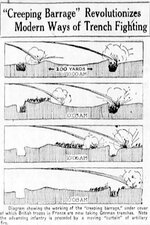
However it would be more effective to attack swiftly after a barrage in the moment that the enemy is rendered ineffective; hence why the creeping barrage was invented. This tactic however requires precise timing and coordination between arty and infantry otherwise the effect from the barrage would not be effective.
Moving onto the actual attack, judging by what we saw I wonder how did they hide such a mass of men assaulting the lines? Not only would you see them from 100s of metres away but you'd hear them too. A frontal bayonet charge is not very discrete and should've been detected much earlier.
Maybe the army really was resting on its laurels and perhaps on this section of the front -like the soldiers we saw- neglected their duties of recon and has become combat ineffective, allowing this action to somehow successfully breach the first line.
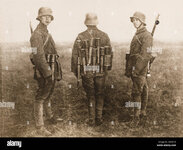
Some say that the first attack was a raid, or assault by stormtoopers; though I'd argue that a raid should've been conducted at nighttime or dawn with a smaller contingent of men focused on destroying recon assets and disruption. An assault by stormtoopers would be much less of a frontal bayonet charge and more of crawling up to the parapets and lobbing 20 grenades in before infiltrating the trenches
One thing I will note about the lack of responses to the attack could be due to a lack of
Mission tactics. With many soldiers just waiting for orders from command rather than actively responding, this shows a top down command structure with little initiative from the bottom. This certainly couldve prevented this from being a breakthrough of the lines.
The quick breakthrough also shows a lack of
defence in depth, allowing the attack to continue it's momentum until it reached the rear lines where the field hospital was.
All in all the idea of the massive offensive to bind QRF from respondong to breaches has some sense. Though this would come at the cost of casualties. Attacking without artillery does give some element of surprises however it leaves the enemy defences intact and ready to meet your men. As we saw somehow this surprise attack at thus section of the frontline was successful due to the failed detection of the attacking force by the defence. It isn't clear how the large attacking force evaded detection but it may be due to the defending force lacking discipline and neglecting to keep watch.
This breach likely then became a breakthrough due to lack of mission tactics and defence indepth.
If you made it this far thanks for reading my 500 word essay
if you skipped, I don't blame you


